
Have you ever heard the forest say... "Dios Té De?"
For generations, the people of Mindo believed a mysterious voice echoed through the mountains. Today, you can discover who has been singing all along.
The Legend of the Forest Voice
Long before modern bird guides cataloged the birds of these valleys, the people of Mindo already knew the song. Every morning they woke up to a distinct, rhythmic chant echoing through the canopy: "Dios... te dé..."
For generations, locals associated the call with a protective presence. They never imagined this resonant, far-reaching sound came from a magnificent bird hidden high in the cloud forest canopy.
"A call that feels less like a bird and more like the forest breathing."
Cloud Forest Experiences
From the first light of morning to the sounds that emerge after dark, discover the reserve at your own pace or alongside knowledgeable local guides.
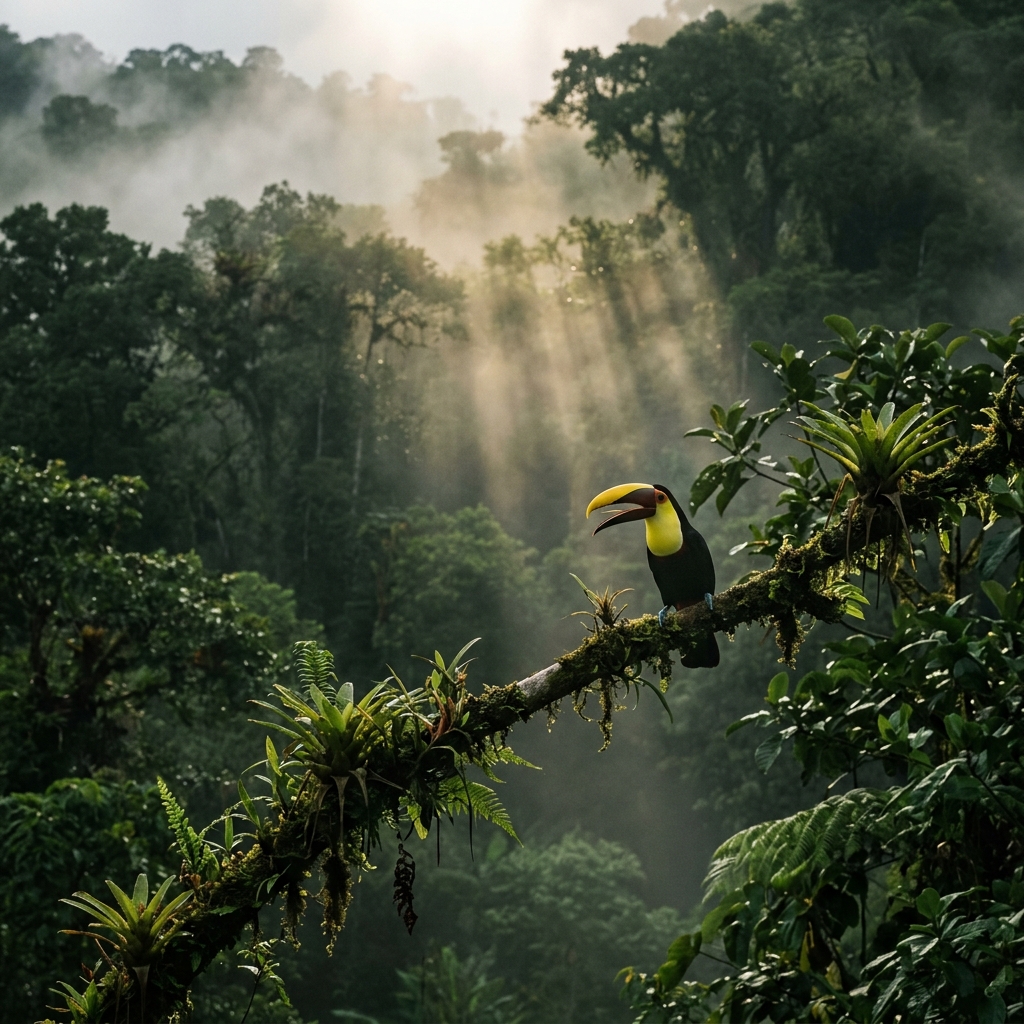
A Morning Among Birds & Mountains
Enter the reserve to watch birds at your own pace, explore its trails and take in extraordinary views across the cloud forest. You can also complement your morning with breakfast at the reserve.
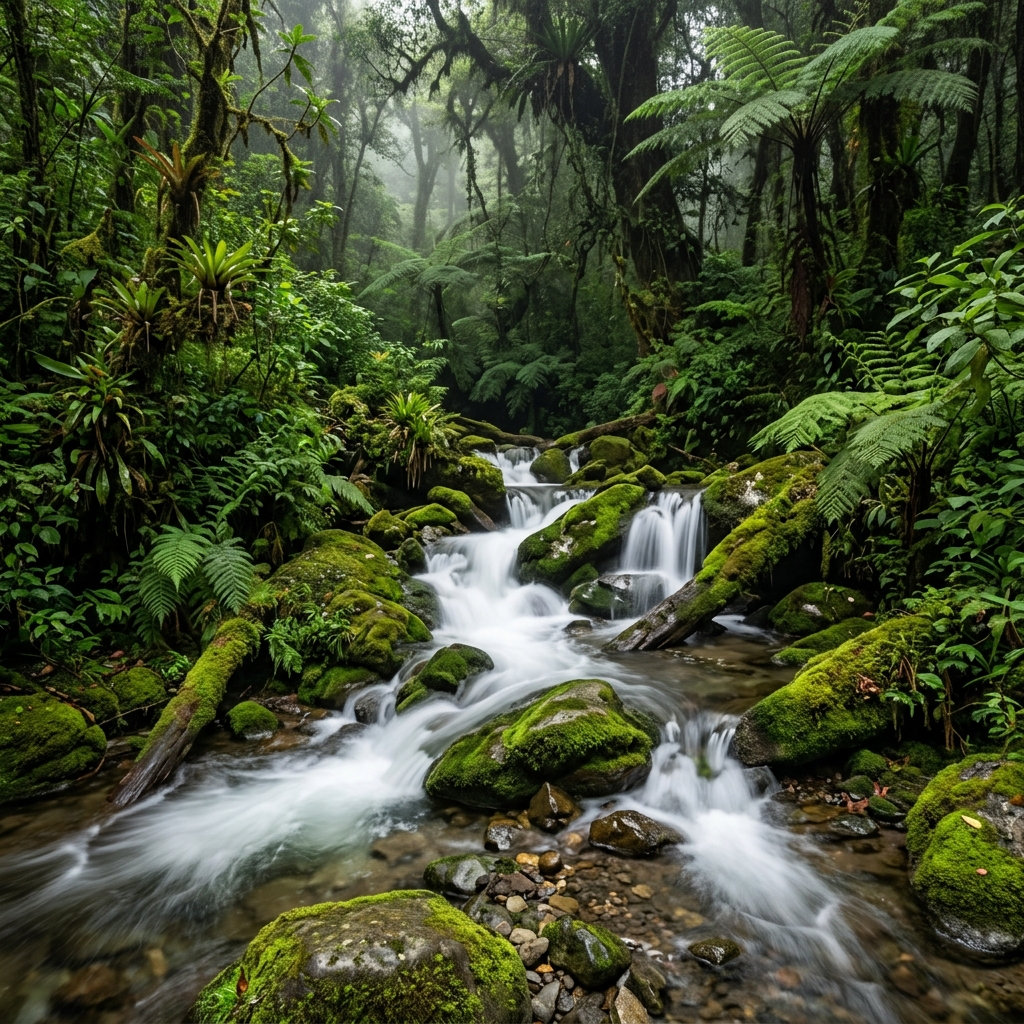
Birding at Dawn with Marcelo Arias
Explore some of the area's best birding locations alongside Marcelo Arias, one of the sector's most experienced bird guides. The experience begins around 6:00 a.m. with pickup from your accommodation in Mindo, taking advantage of the forest's most active early-morning hours.
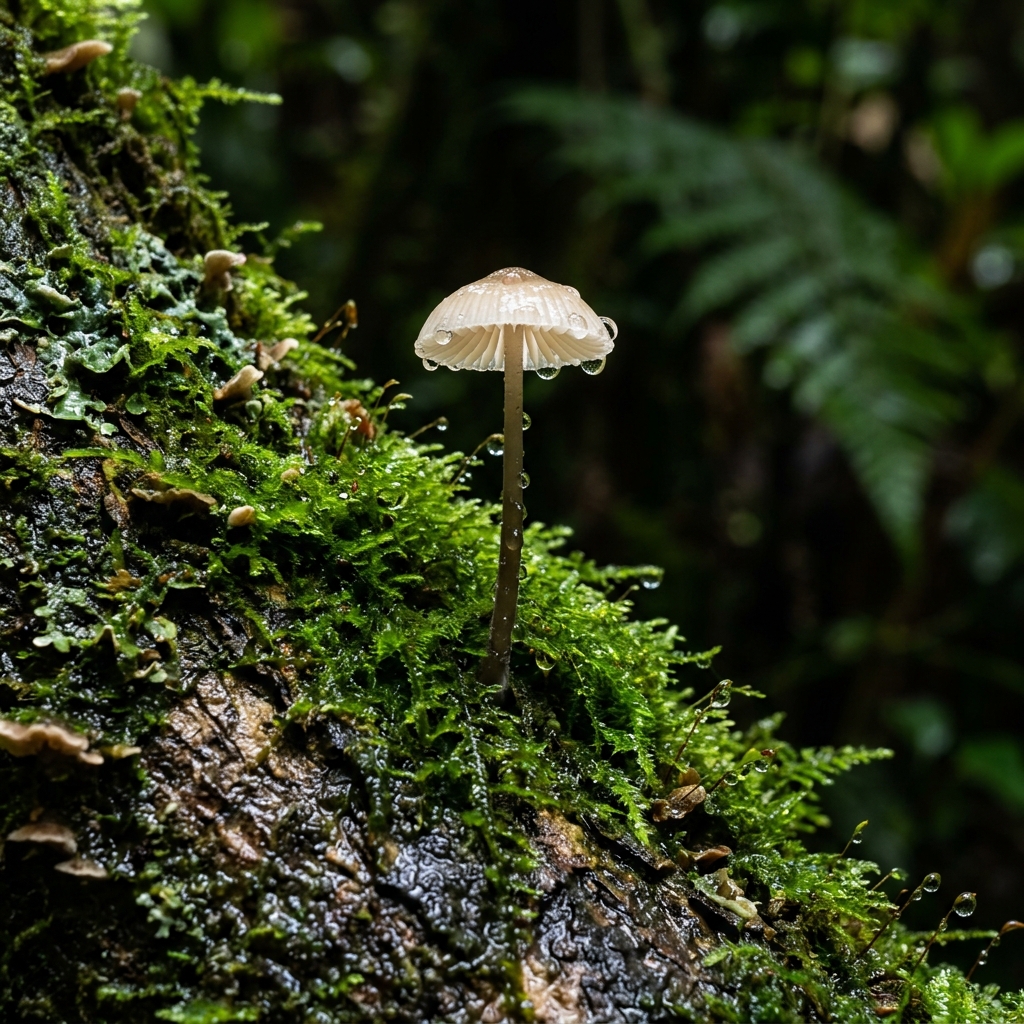
When the Forest Awakens at Night
When darkness falls, another forest emerges. Walk the trails in search of frogs, insects, reptiles and other nocturnal wildlife while discovering sounds and behaviors hidden during daylight hours.
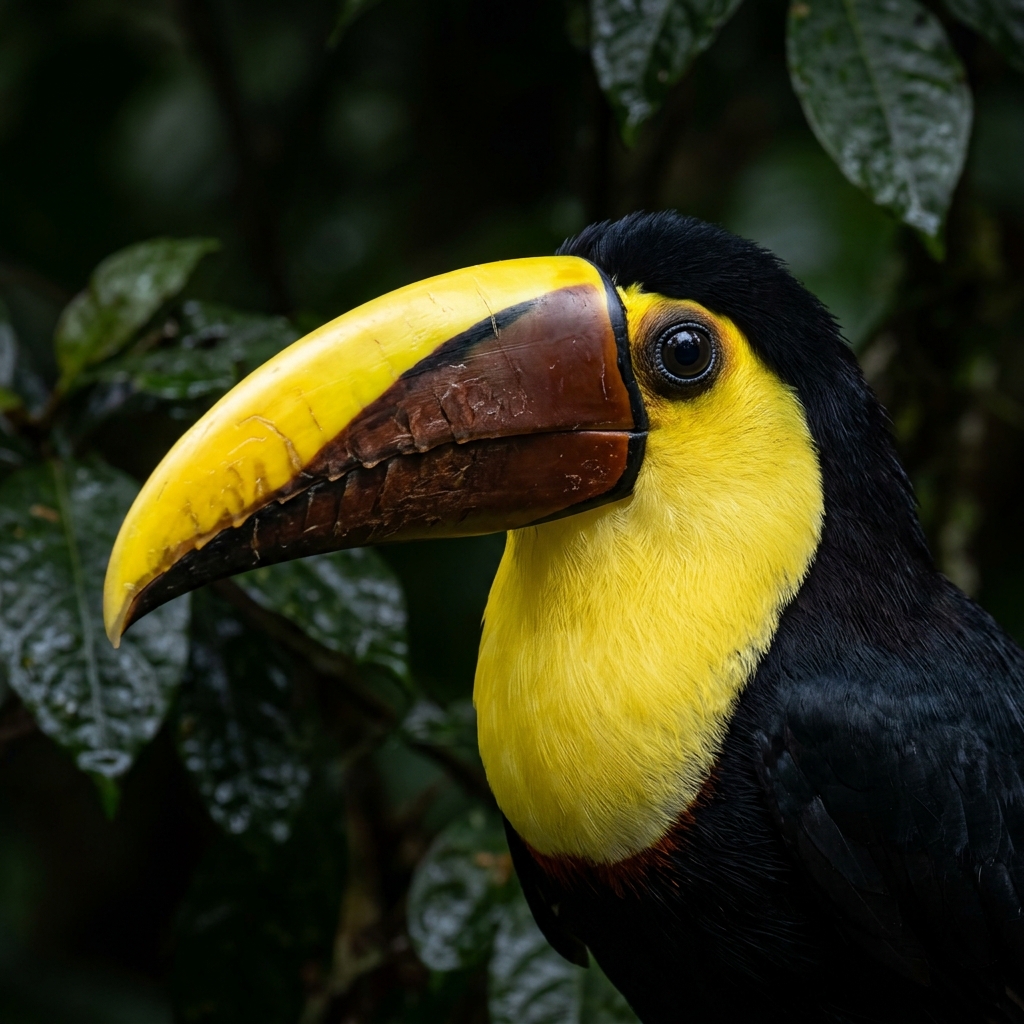
The Hour of the Toucans
Visit the reserve in the afternoon as toucans return to the forest and other inhabitants begin to emerge. From quiet observation points, toucans can often be seen along with some of the mammals that frequent the property.
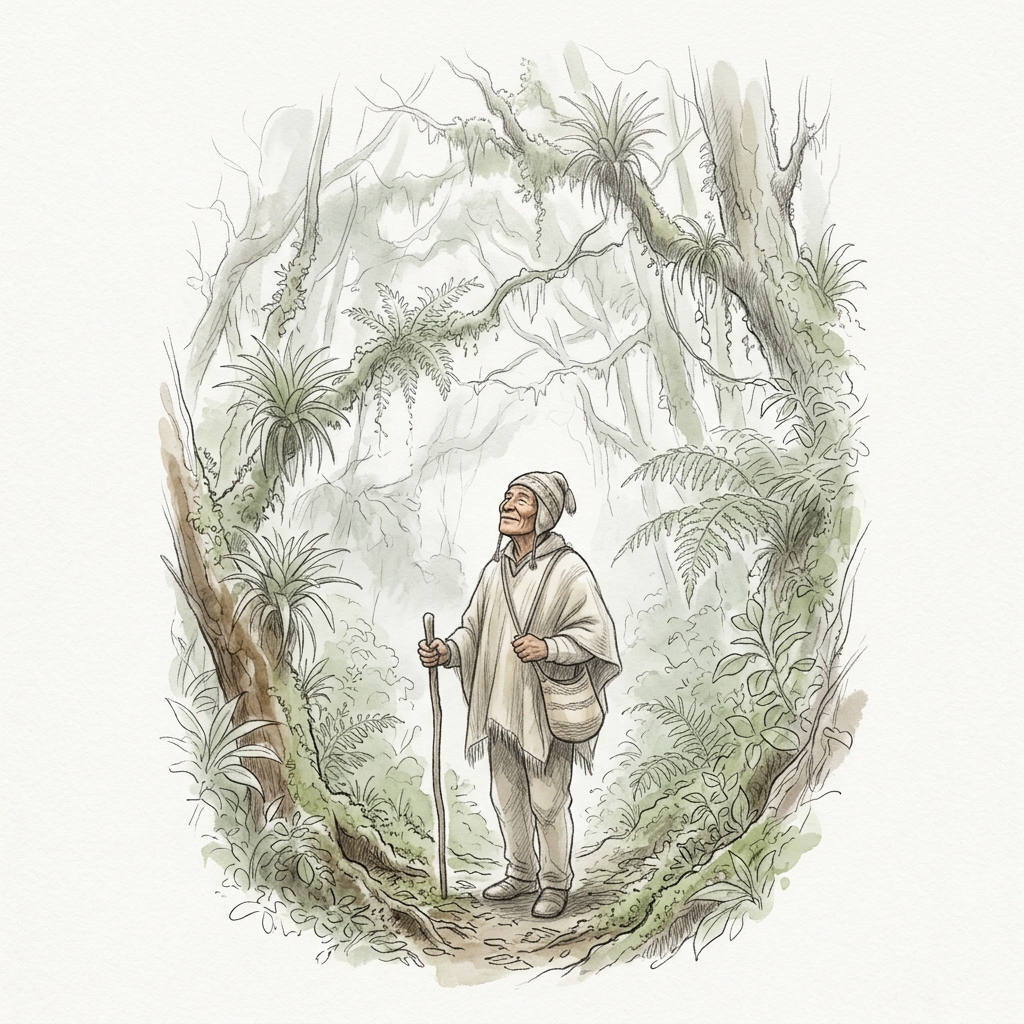
The Forest Beyond the Trees
Discover the forest from another perspective through a walk dedicated to its flora. Learn to recognize plants, trees, epiphytes and the relationships that sustain one of the planet's most diverse ecosystems.
Protecting the Voice of Mindo
The Ecuadorian cloud forest is one of the most threatened ecosystems on the planet. Fragmentation and deforestation endanger the ancient paths of migratory canopy birds.
El Canto del Dios Té De was founded to establish a strict sanctuary where scientific study and low-impact visits coexist. By booking a visit, you support our ongoing conservation projects directly.
Habitat Shielding
Establishing strict zero-disturbance zones in mature secondary forests to secure nests.
Reforestation
Planting native fruiting trees like palms and Lauraceae that toucans depend on for survival.
Bio-monitoring
Deploying microphones to study bird call cycles and track local population trends.
Community
Involving local communities in bird guiding training and ecological restoration jobs.
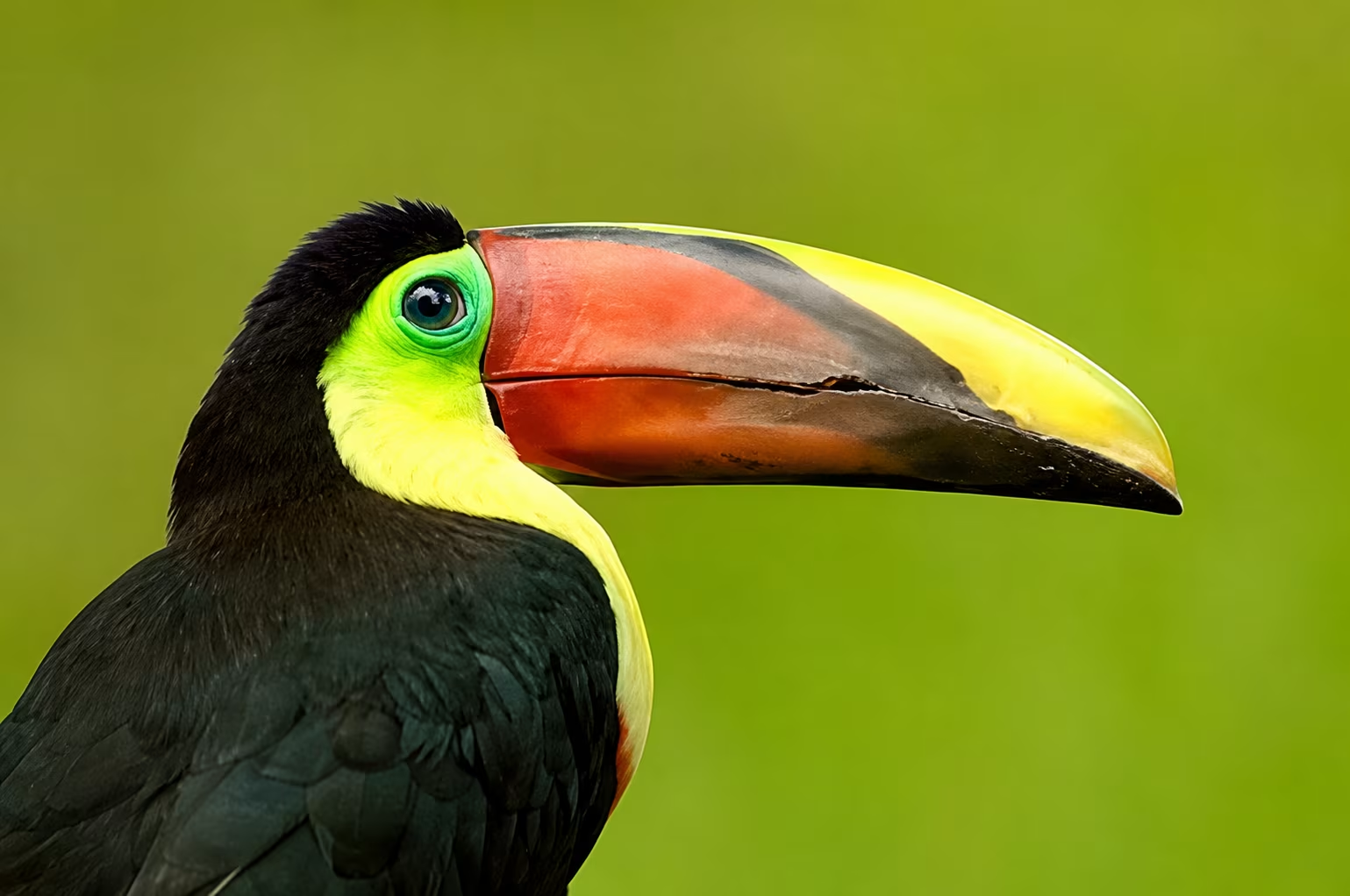
Meet Ramphastos swainsonii
Commonly known as the Chestnut-mandibled Toucan, it is the largest toucan species in western Ecuador. Hover or tap the interactive points on its portrait to explore the anatomy behind its iconic call.

The Acoustic Beak
Measuring up to 20 cm, the beak is hollow and structured like a light honeycomb of bone fibers. It acts as a natural megaphone, amplifying the low frequencies of the "Dios Té De" call so it can travel kilometers through dense mountain mist.
The Yellow Bib
A bright yellow plumage covers the throat and chest, framed below by a thin red line. In the dark, mossy shadows of the canopy, this brilliant color signal allows the toucan to stand out visually during vocal displays to mates.
The Canopy Vision
Surrounded by a striking blue-green skin orbit, the eye has high spatial acuity, critical for navigating the complex web of branches and spotting ripe forest fruits through dense cloud forest mist.
Deep Black Mantle
The body is clad in dense, satiny black feathers, absorbing light to blend seamlessly with the dark forest floor and canopy shadows, punctuated by bright red coverts beneath the tail.
The Canopy Nesting
These toucans dominate the top canopy layers. They occupy hollowed-out cavities made by larger woodpeckers, or natural tree hollows in ancient, epiphyte-laden branches high above the forest floor.
Canopy Encounters
For years, Marcelo Arias has documented the birds moving through this corner of the cloud forest using little more than a smartphone and a spotting scope. Some are regular visitors; others appear only once. This is a selection of those encounters.
Plate-billed Mountain-Toucan
Andigena laminirostris
Yellow-throated Toucan
Ramphastos ambiguus swainsonii
Golden-headed Quetzal
Pharomachrus auriceps
Blue-winged Mountain-Tanager
Anisognathus somptuosus
Sword-billed Hummingbird
Ensifera ensifera
Andean Cock-of-the-rock
Rupicola peruvianus
Speckled Tanager
Ixothraupis guttataA Sanctuary Integrated into the Canopy
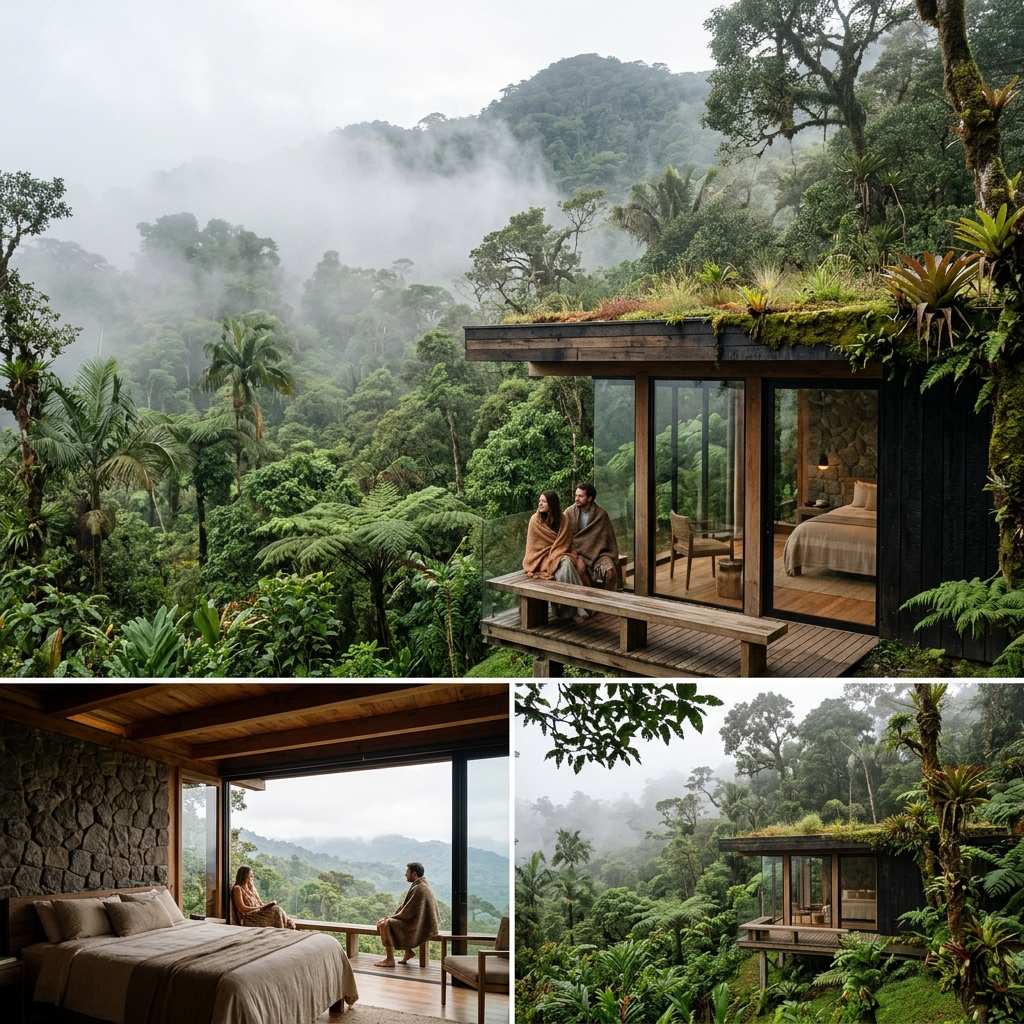
Currently, the reserve is open only for day research and guided tours. In late 2027, we will open a limited collection of minimal cabins built on low-impact sustainable design principles.
- Elevated structures to avoid disturbing the fragile soil hydrology.
- Local certified bamboo, volcanic stone, and architectural glass that blends with fog.
- Total acoustic insulation to guarantee absolute silence and bird nesting safety.
Venture into the Silence
To maintain the low-impact integrity of our reserve, visits are highly restricted and require advance booking. We host a maximum of 8 guests per day.
Location
Mindo Valley, Pichincha, Ecuador (2 hours northwest of Quito, access via 4x4 trail only)
Access Protocol
Strictly by reservation. Children under 12 must be accompanied by birding guides. Closed during heavy rainfall cycles.
Guided Tours
All admissions include a dedicated birding guide, scientific checklist, and walking binoculars.
Inquire Reservation
Send us an inquiry containing your preferred date, group size, and scientific interest (e.g. birdwatching, botanical research, or quiet exploration). Our coordinator will reply within a few hours.
Inquire on WhatsApp Booking is strictly requiredFind the Reserve
Open the location directly in Google Maps to begin your route to the reserve.
The next time you hear... "Dios Té De..."
You'll know exactly who is calling. Discover the mysteries of the cloud forest first-hand.
Visit the Reserve